Growing Basil Like a Pro: Feeding, Spraying & Cultural Practices for High Yields
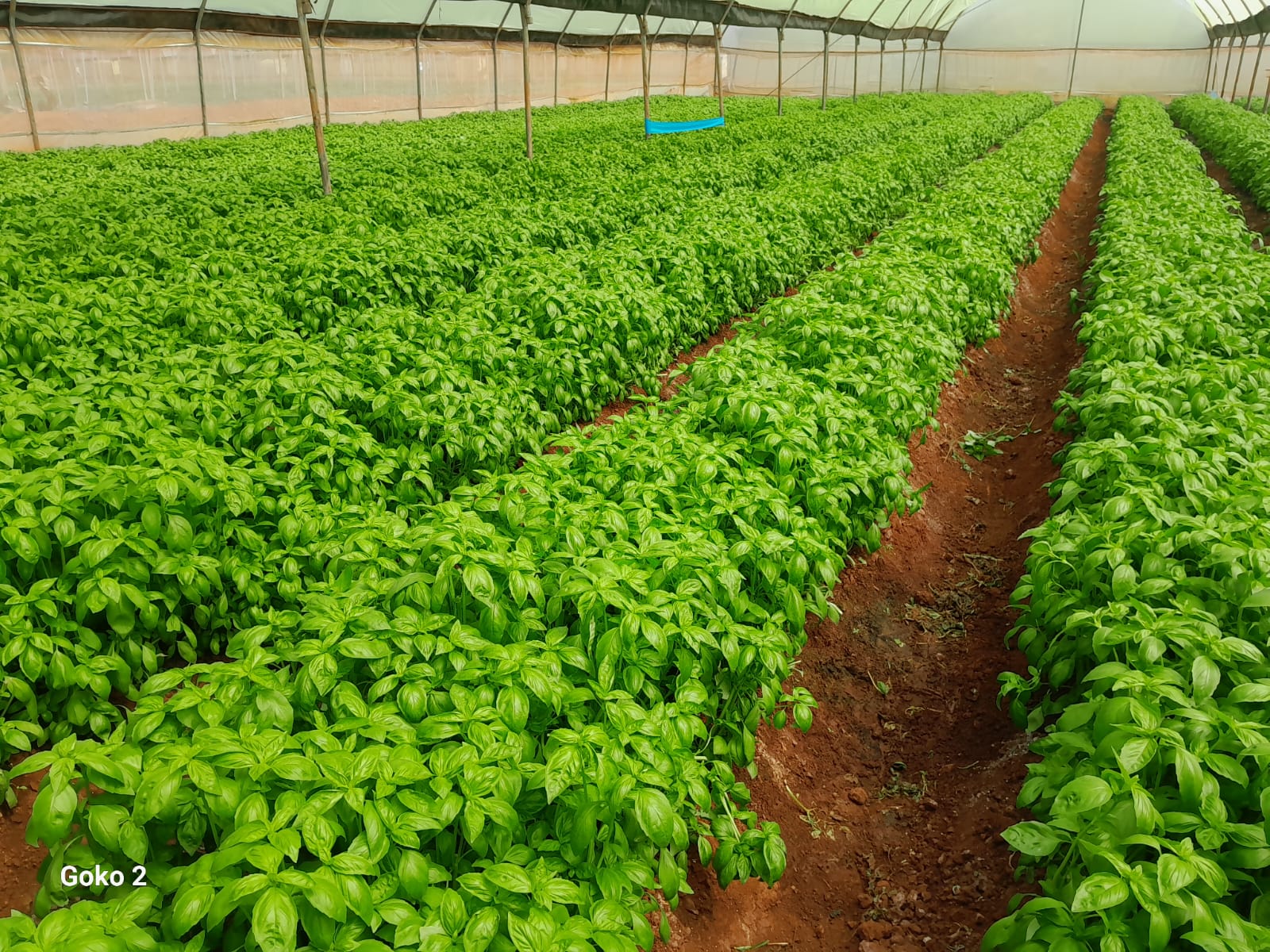
Basil is one of the most profitable and rewarding herbs to grow. Whether you are farming for the fresh market, export, or your kitchen, success with basil depends on proper feeding, timely spraying, and good cultural practices. With the right care, basil can give you lush green leaves, strong aroma, and repeated harvests.
In this guide, we break down everything you need to know to grow healthy, high-yielding basil.
1. Best Growing Conditions for Basil
Before talking about feeding and spraying, it’s important to understand what basil loves:
-
Temperature: 18–30°C (warm climates are ideal)
-
Soil: Well-drained, fertile, loamy soil
-
Soil pH: 5.5 – 7.5
-
Sunlight: At least 6–8 hours of direct sunlight daily
-
Water: Consistent moisture, but no waterlogging
Good soil preparation is the foundation for healthy basil plants.
2. Soil Preparation and Planting
Strong basil starts with good soil.
Land Preparation
-
Plough and harrow the field to make it fine and loose.
-
Incorporate well-decomposed manure or compost (8–10 tons per acre).
-
Ensure good drainage to prevent root diseases.
Spacing
-
For commercial production:
Spacing: 30cm × 30cm or 40cm × 30cm -
This allows good air circulation and reduces disease pressure.
3. Feeding Program: How to Fertilize Basil for Maximum Growth
Basil is a heavy feeder because it produces lots of leaves.
Base Fertilizer (At Planting)
Apply:
-
DAP or NPK (23:23:0 or 17:17:17) at planting
Rate: about 50–80kg per acre
Top Dressing (After Establishment)
Start feeding 2–3 weeks after planting.
Use:
-
CAN or Urea
Rate: 50kg per acre
Apply every 3–4 weeks.
Foliar Feeding (Leaf Boosters)
To increase leaf size and color:
-
Use foliar feeds rich in Nitrogen, Magnesium, and micronutrients.
-
Spray every 10–14 days.
Tip: Avoid over-fertilizing with nitrogen as it can reduce aroma quality.
4. Spraying Program: Protecting Basil from Pests and Diseases
A strong spray program keeps basil healthy and market-ready.
Common Basil Pests
-
Aphids
-
Thrips
-
Whiteflies
-
Spider mites
-
Caterpillars
Common Basil Diseases
-
Downy mildew
-
Fusarium wilt
-
Leaf spot
-
Powdery mildew
Preventive Spray Schedule (Commercial Standard)
Every 7–10 days:
-
Alternate between:
-
Insecticides for pests
-
Fungicides for diseases
-
Organic Spray Options
If you want safer or organic production:
-
Neem oil
-
Garlic–chili extracts
-
Soap-based sprays
-
Bacillus thuringiensis (Bt) for caterpillars
Best Practice:
Always rotate chemicals to prevent resistance.
5. Key Cultural Practices for Healthy Basil
Cultural practices directly affect your yields and quality.
a) Irrigation Management
-
Water regularly, especially during hot weather.
-
Avoid overwatering as it causes root rot.
b) Weed Control
-
Keep the field weed-free, especially in the first 4–6 weeks.
-
Mulching helps:
-
Retain moisture
-
Reduce weeds
-
Improve soil health
-
c) Pruning & Pinching
This is one of the most important basil practices.
-
Pinch the top when plants reach 15–20 cm height.
-
This:
-
Encourages bushy growth
-
Increases number of harvestable branches
-
d) Crop Rotation
-
Do not plant basil repeatedly in the same plot.
-
Rotate with:
-
Legumes
-
Maize
-
Brassicas
This reduces soil-borne diseases.
-
6. Harvesting for Maximum Profit
-
Start harvesting 4–6 weeks after planting.
-
Harvest early in the morning for best aroma and oil content.
-
Cut above a leaf node to allow regrowth.
-
Harvest every 2–3 weeks depending on growth.
A well-managed basil crop can give 3–5 harvests or more.
7. Final Thoughts
Basil farming can be highly profitable when done correctly. The secret lies in:
✅ Proper feeding
✅ Timely spraying
✅ Good cultural practices
If you maintain healthy soil, follow a consistent spray program, and manage pruning well, basil will reward you with high yields and premium quality leaves.
0 Comments
No comments recorded yet. Be the first to share feedback.